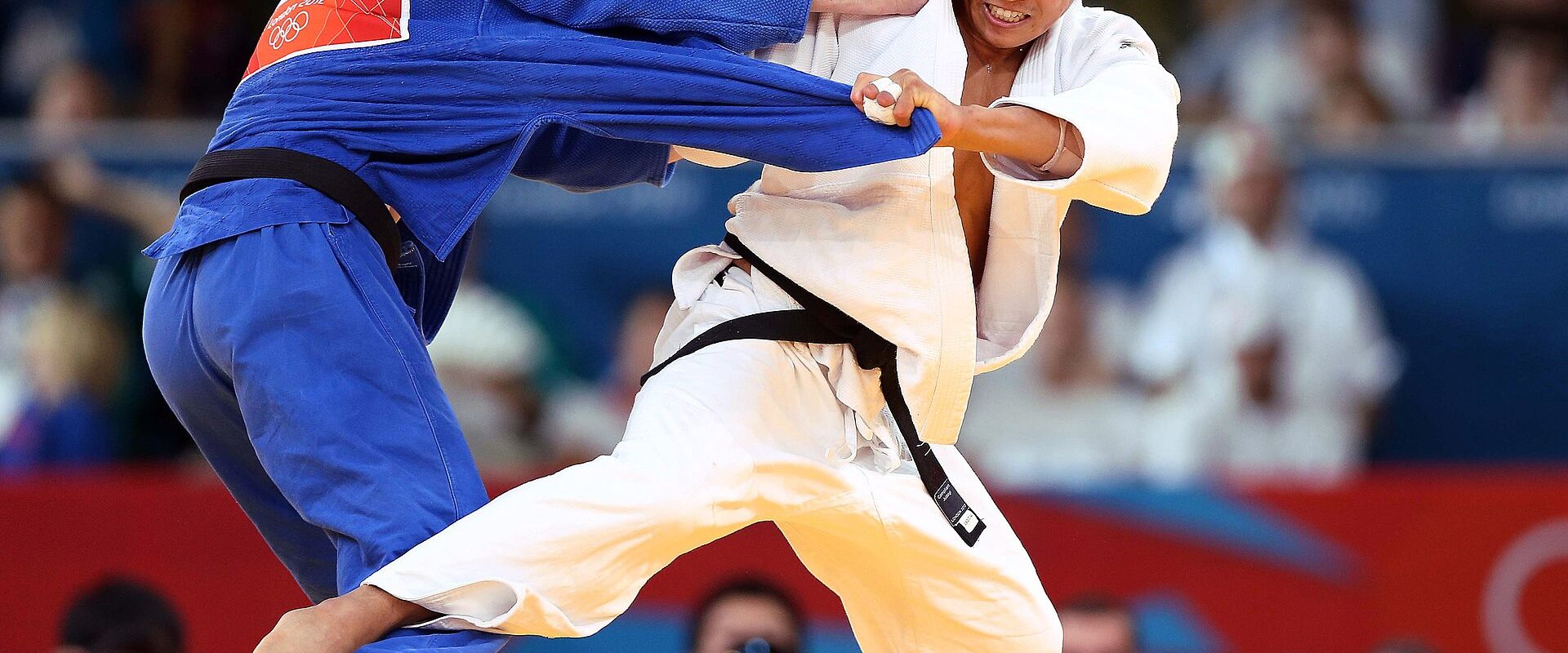
Judo tournaments that run like clockwork
From weigh-in to the final ippon, PlayMetric automates draws, repechage brackets, and mat scheduling so you can keep the competition moving.
Sound familiar?
Running judo tournaments shouldn't be this hard
Weight category management is a constant scramble
Last-minute weight changes, combined categories, and no-shows mean redrawing brackets minutes before the first bout. Paper-based systems cannot keep up with the chaos of weigh-in day.
Repechage brackets are hard to manage manually
Tracking which judoka re-enter the bracket after losing to a finalist requires careful attention. Mistakes in the repechage mean incorrect bronze medal placements and formal protests.
Multi-mat scheduling causes delays
Running 4-8 mats simultaneously with different weight categories at different stages means constant juggling. Athletes miss calls, mats sit idle, and the event runs hours overtime.
How it works
Three steps to a better tournament
Set up weight categories and draw rules
Define weight divisions, age groups, and draw format — pool system, double repechage, or straight elimination. PlayMetric handles seeding and generates the draw automatically.
Judoka register and weigh in
Share a registration link. Athletes enter their details, weight category, and club. On competition day, confirm weights and finalise the draw with one click.
Run bouts and track results live
Enter bout results by mat. PlayMetric advances winners, populates repechage brackets, and updates the scoreboard in real time through to the medal contests.
Formats
Every judo format, covered
Single Elimination with Double Repechage
The standard IJF format. Losers of quarter-finalists and above re-enter via two repechage brackets for bronze medal contests. Used at most national and international competitions.
Pool System (Round Robin)
Judoka compete in round-robin pools. Top-placed athletes advance to elimination rounds. Used for smaller weight categories or younger age divisions.
Straight Single Elimination
Simple knockout bracket with consolation for third place. Suitable for large entry categories where time is limited.
Double Elimination
Athletes must lose twice before being eliminated. Provides more contest time for each judoka. Popular at club-level and training competitions.
Built for judo organisers
Whether you're running a local club night or a regional championship, PlayMetric adapts to how you organise judo.
- Club and regional gradings tournaments — Local judo clubs hosting grading-eligible competitions for 50-200 judoka across multiple weight categories and age groups on 4-6 mats.
- National championship qualifiers — Federation events with strict IJF draw rules, seeded entries, and repechage brackets feeding into national ranking points.
- Inter-club team championships — Team-based competitions where clubs field judoka across weight categories and team results are aggregated from individual bout outcomes.
No app install. No special hardware. Just a browser.
FAQ